Signs of Burnout in Women That Often Go Unnoticed
Burnout in women doesn’t usually look like falling apart. In fact, many of the earliest signs of burnout in women are subtle and easy to dismiss. It appears like you are getting through the day, checking the boxes, leading the meetings, holding it all together, while feeling strangely disconnected from yourself. You may be doing everything “right,” yet your edge feels dull, and your patience is thinner. If you are experiencing burnout, rest often doesn’t restore you the way it used to. You are probably waking up feeling tired; push through that fatigue, only to repeat the cycle the next day.
This isn’t a display of weakness, nor is it a lack of resilience. Burnout is what happens when capable, high-performing women stay in output mode for too long without real recovery. It lives in the body as much as the mind. It shows up as brain fog, irritability, disrupted sleep, loss of joy, subtle apathy, or a constant low-grade exhaustion you normalize because you can still function.
If this feels familiar, your body is asking to be heard.
Key Takeaways
• Burnout in women often looks like functioning on the outside while feeling disconnected, depleted, and unlike yourself on the inside.
• It is not a personal failure or lack of resilience. Burnout develops when capable women stay in output mode without real recovery.
• Emotional, mental, physical, and behavioral changes are all part of the same pattern, even when each sign feels small on its own.
• Burnout is different from everyday stress because rest alone does not restore your energy or sense of engagement.
• When you notice these shifts, your body is not breaking down. It is asking for a different way of living, working, and recovering.
What Burnout Looks Like in Women
Burnout is not a single sign you can point to and solve. It is a pattern. One that I have seen many times. It can be a slow shift in how you show up, feel in your body, and how much energy life seems to require from you. For all women, especially high-performing women, burnout often develops in subtle ways, and while it does, you remain highly capable. When this begins to happen, you are still producing and meeting expectations. That is exactly why the signs of burnout in women are so easy to miss.
This experience builds over time. The mental load increases. The emotional bandwidth narrows. The physical body keeps going until it starts sending soft signals that something is off. Burnout is not dramatic at first. It is subverted. It lives in the space between how you used to feel and how you feel now, and you may not realize how far you have drifted until it becomes your new normal.
Common signs include:
• Persistent tiredness that rest does not fix
• Emotional flattening or increased irritability
• Loss of motivation or engagement
• Detachment from work or daily life
Each sign on its own is easy to explain away. Together, they tell a story. Burnout is not about failing. It is a signal that your system has been in output mode for too long, and it is asking for something different.
Emotional Signs of Burnout

Burnout doesn’t always arrive as a big, dramatic, emotional outburst. More often, it changes your emotional range. Women who carry a lot tend to keep moving even as internal strain rises, so the emotional impact of burnout can be easy to miss. You may not feel sad or upset. You may simply feel less or a dulling of response. Many feel that life is happening around them, not through them.
This emotional shift is not a personality change. It is your nervous system conserving energy. Burnout affects emotional processing, especially when mental health has been placed on the back burner in the service of everything else. You might notice that your usual patience is gone, or that small things create a bigger reaction than they should. Other times, there is no reaction at all. Research shows that burnout often includes emotional exhaustion, irritability, and a sense of detachment from usual sources of joy and connection.
Common emotional signals include:
Feeling numb, flat, or disconnected
Increased irritability or emotional reactivity
Loss of enjoyment in things that once mattered
Feeling overwhelmed by minor decisions
These feelings can be confusing. You may tell yourself you should feel grateful, motivated, or engaged, yet you don’t. Burnout changes how you feel before it changes how your life looks, and that emotional disconnect is often the first place women sense something is wrong
Mental and Cognitive Signs
One of the most frustrating aspects of burnout is how it affects your mind. Women in high demand roles often pride themselves on clarity, focus, and strong decision making. When burnout sets in, those strengths feel harder to access, even though your intelligence and drive are still there.
Burnout places a sustained load on the mental system. Stress becomes constant rather than occasional. Over time, mental health takes a quiet hit, and cognitive capacity narrows. You may notice it taking longer to think, plan, or initiate tasks at work. Time feels compressed. Focus slips more easily. Even after breaks, your mind doesn’t feel fully restored. Research has found that people experiencing burnout report more mental fatigue, trouble concentrating, and reduced cognitive performance even after rest.
Common mental signals include:
Difficulty concentrating or finishing tasks
Mental fatigue even after breaks
Decision fatigue or avoidance
Brain fog or forgetfulness
This is often connected to hidden patterns described in how to stop energy leaks, along with the everyday toxic load high-performing women carry without realizing it. Burnout changes how your brain allocates energy, and until that system is supported, thinking clearly can feel like pushing uphill.
Physical Signs Often Overlooked
Burnout doesn’t stay confined to your thoughts or emotions. It eventually shows up in the body. For many women, the physical signals are the easiest to dismiss because they don’t feel dramatic or acute. They feel familiar, persistent, and easy to normalize in a busy life. But burnout creates a pattern of physical stress that the body can only compensate for so long.
You may notice a baseline level of exhaustion that never fully lifts, no matter how well you eat or how early you go to bed. Sleep happens, but it doesn’t feel restorative. Your body wakes up already bracing for the day. Chronic tension settles into the shoulders, jaw, or hips. Headaches or body aches become part of the background noise. Digestive discomfort appears more often, especially during high stress periods, even when your health habits haven’t changed.
These physical signs are not random. Burnout places ongoing demand on the nervous system, keeping the body in a low-grade state of stress. Over time, that stress reshapes how energy is produced, how well you recover, and how safe your body feels at rest. Learning how to calm nervous system can help you reset these patterns and support long-term resilience. When physical exhaustion becomes chronic, it’s a sign your system has been adapting for too long.
When your body still feels off despite healthy habits, personalized support can make the difference.
Explore Personalized Health CoachingBehavioral Changes Over Time
One of the most overlooked aspects of burnout is how subtly it alters behavior. There is rarely a breaking point. Instead, small adjustments start to feel necessary, even reasonable. You work a little longer, maybe even respond faster. Some claim to push personal needs further down the list. At first, it feels like good leadership or responsibility. Over time, it becomes your default.
Burnout often shows up as spending more time at work while feeling less effective. You cancel plans you once enjoyed because rest feels more practical than connection. Firm boundaries can soften, and you may find yourself saying yes when you mean no, because it feels easier than explaining. Life slowly narrows, not because you lack desire, but because your capacity is reduced.
These patterns don’t feel like a problem in the moment. They feel like survival. But when overworking, withdrawal, and blurred boundaries become normalized, burnout embeds itself into daily life. The experience isn’t dramatic. It’s very sneaky. And by the time it’s obvious, your system has already been carrying the weight for longer than you realize.
Burnout vs Everyday Stress

Many women ask this question: “Is this just stress, or is it something more?” The distinction matters because stress is part of life, especially for high-performing women. Burnout is different. It is not about a busy week or a demanding season. It is what happens when stress, including ongoing workplace stress, becomes chronic and recovery never quite catches up. Burnout has been formally defined as a response to chronic, unmanaged stress that does not resolve with rest alone.
Over time, the feeling of burnout shifts. What once felt urgent now feels heavy. What used to resolve with rest lingers. Recognizing the sign early can restore your sense of choice before capacity erodes further.
Everyday Stress
Fluctuates based on circumstances
Often improves with rest or time off
Feels urgent or pressurized
Can increase short-term motivation
Burnout
Feels persistent and ongoing
Rest doesn’t fully restore energy
Feels draining or heavy
Reduces capacity and engagement
Stress comes and goes with time. Burnout stays. If you have the sense that your baseline has changed, that is information worth listening to.
Why Burnout Is Common in Women
Burnout is not about fragility or poor coping. It is far more often the result of sustained responsibility layered over time. Many women carry multiple roles that demand consistency, emotional presence, and high performance, often without clear endpoints or recovery built in. Work asks for focus and output. Life asks for care, coordination, and emotional steadiness. Both are managed simultaneously, and usually well.
What makes burnout more common in women is the cumulative load, an invisible emotional labor, and high internal expectations. A deep sense of responsibility for outcomes, people, and details others don’t even see. Research consistently shows that women experience higher cumulative workplace and emotional load over time, even when performance and outcomes remain strong. Competence becomes the standard, not the exception, and health quietly moves down the priority list if everything appears to be functioning.
Over long stretches of time, limited recovery space matters. When emotional demand, professional work, and personal responsibility overlap without real relief, the system adapts by pushing through. Burnout develops not during chaos, but during long periods of stability where the pace never truly slows.
This pattern is part of what we explore more fully in Understanding Burnout in High-Performing Women, where the deeper layers of responsibility, identity, and performance are unpacked.
Early Signs of Burnout in Women People Often Miss
Burnout rarely announces itself early. At first, life still works. Literally you’re most likely very productive, reliable and on the surface, nothing looks wrong. That’s why the earliest sign is often a quiet internal shift rather than a visible breakdown.
You may notice that recovery takes longer than it used to. A day off doesn’t fully reset you. Productivity remains high, but engagement feels thinner. You may notice a growing sense of distance between you and your work, your relationships, and even your own goals. Cynicism creeps in where curiosity once lived. Much of life starts to feel automatic, as if you’re moving through it on autopilot.
These are not alarms. They are awareness cues. Burnout shows up as a subtle change in feelings and senses before it becomes exhaustion. Catching it here gives you options before capacity is truly compromised.
What Helps and What Doesn’t
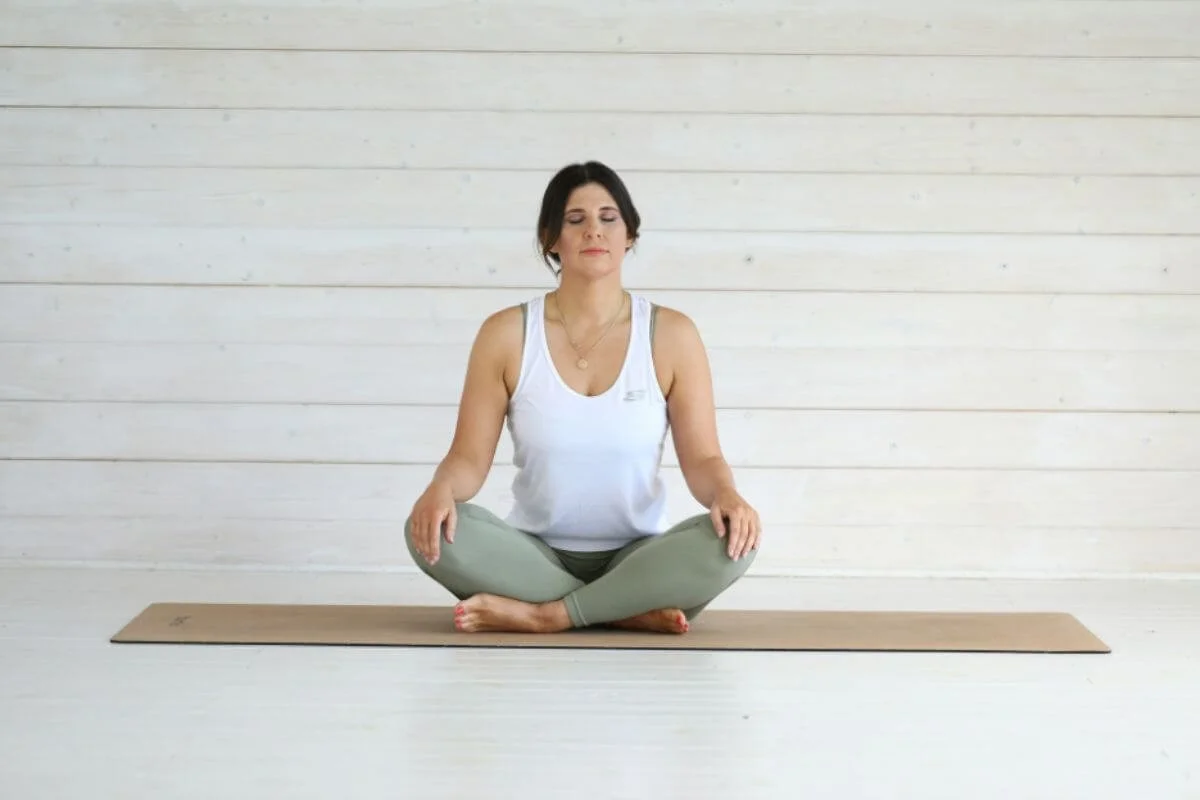
When burnout is present, the instinct is often to fix it the same way you manage stress: adjust your schedule, push through a little longer, or optimize your output. That approach works for short-term pressure, but it doesn’t work for burnout. Burnout requires a different response because it reflects depleted capacity, not poor effort or time management.
What actually helps is reducing the total load on your system, not just rearranging it. Recovery comes from creating real space, protecting energy, and allowing health to come back online over time. This often means making decisions that feel uncomfortable at first, especially for women who are used to carrying responsibility and keeping everything moving at work and at home.
What helps:
Reducing overall load
Setting boundaries around your time, energy, and emotional capacity
Rest that actually restores
What doesn’t help is treating burnout like a motivation problem. Pushing harder, stacking productivity hacks, or reframing burnout as a mindset issue may create short bursts of output, but they deepen the underlying depletion. Burnout doesn’t respond to pressure. It responds to relief. You have to slow down with intention.
What doesn’t:
Pushing harder
Productivity hacks
Treating burnout as a motivation issue
When recovery is approached correctly, capacity returns gradually. Not through force, but through respect for what your system needs now
FAQs
-
Exhaustion is usually tied to effort. A long day, a demanding stretch of work, or a period of stress can leave you tired, but rest, sleep, or time away typically helps. Burnout is different. It is an experience shaped by duration rather than intensity. Exhaustion lingers even after you try to recover, and energy doesn’t fully return. Burnout reflects sustained depletion across emotional, mental, and physical capacity, not just feeling worn out. When time off stops restoring you, it’s a sign the load has been too high for too long.
-
There is no single best exercise for burnout, because tolerance changes over time under prolonged stress. Movement can support health when it leaves you feeling more grounded and restored. When burnout is present, intense or performance-driven workouts may increase depletion rather than relieve it. The most supportive physical activity is the one that matches your current energy and helps your nervous system settle. Exercise during burnout should serve recovery, not discipline, and rebuild capacity gradually rather than demand more from an already taxed system.
-
Burnout itself is not a disease, but the chronic stress that underlies burnout does affect the body over time. Prolonged physical and emotional stress has been shown to increase oxidative stress and strain key regulatory systems. When this state persists, people may notice changes in health—lower resilience, slower recovery, more frequent fatigue, or feeling run down more easily. This isn’t cause and effect in a simple way. It’s about cumulative load and how long the body has been operating without enough restoration.
Final Thoughts
Burnout is not a personal fail. It is information. It reflects patterns, how much you’ve been carrying, how long you’ve been carrying it, and how little space there’s been to recover. This is especially true for high-performing women who look capable on the outside but feel that something is off. I see these patterns every day.
This is why I’m writing a book on burnout, specifically for high-performing women, and how it shapes health, longevity, aging, and long-term performance. Not the obvious burnout we recognize easily, but the kind that hides inside success, competence, and full lives. Awareness changes the trajectory. When you understand your patterns, you regain a sense of choice in how you support your health and how you want to age.
My approach to functional health coaching reflects that perspective. I’m certified in longevity, and I help women engage with their health through a HealthStyle and HLS lens—one that honors performance, aging, and long-range vitality without urgency or pressure. If you’re curious where you are right now, you’re welcome to start with my free Health Esteem Quiz. It’s simply a tool for insight and awareness.
Not sure what your body is really asking for right now? A few simple questions can bring clarity
Take the Free Health Esteem QuizReferences
McKinsey & Company and LeanIn.Org. Women in the Workplace.
https://www.mckinsey.com/featured-insights/diversity-and-inclusion/women-in-the-workplaceMaslach, C., & Leiter, M. P. Understanding the burnout experience: Recent research and its implications.
https://www.ncbi.nlm.nih.gov/pmc/articles/PMC4911781/McEwen, B. S., & Sapolsky, R. M. Stress and cognitive function.
https://www.sciencedirect.com/science/article/pii/S0301051123001795López-Otín, C., et al. The hallmarks of aging. Cell.
https://www.sciencedirect.com/science/article/pii/S0092867413006454Epel, E. S., et al. Accelerated telomere shortening in response to life stress
https://www.pnas.org/doi/full/10.1073/pnas.0407162101
Disclaimer
This content is based on over two decades of clinical experience and is provided for educational and informational purposes only. The strategies and insights shared here reflect a functional health approach rooted in evidence and personalization.
This article is not intended to diagnose or treat any condition. Always consult your physician or trusted healthcare provider before beginning any new health protocol. At HealthStyle by Dr. Kenna, we don’t diagnose—we decode.