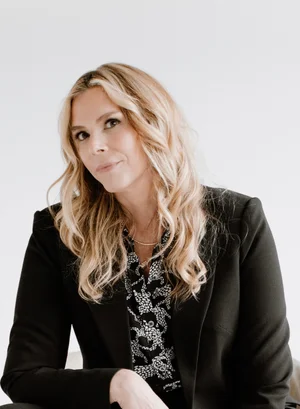
Issue 01: What You’re Running On
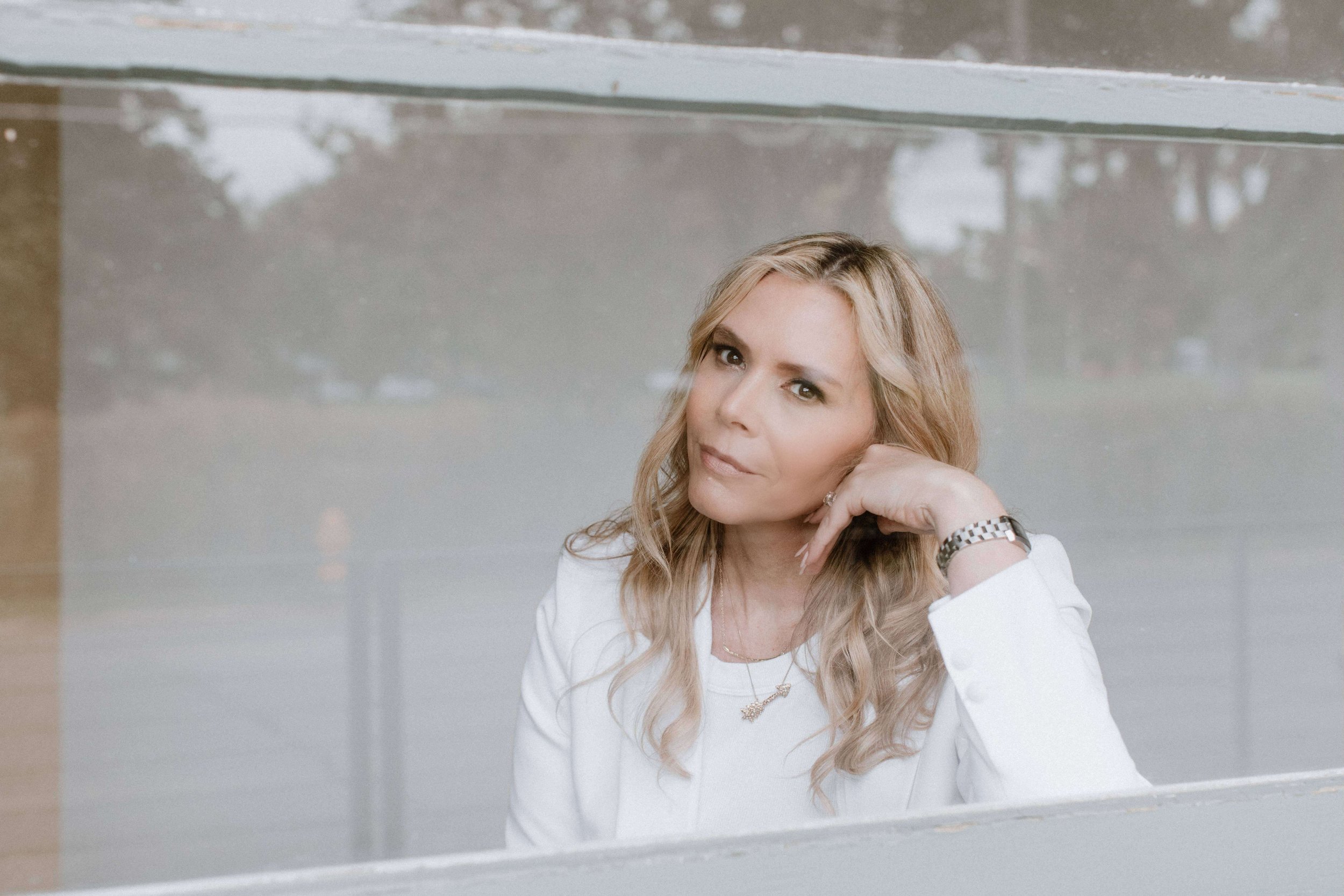
What Is Capacity, and Why Doesn’t Anyone Measure It?
There is one thing about your health that almost no one has taught you to measure. It isn’t your cholesterol, your sleep score, your VO₂ max, or the number on the scale. Those numbers matter. But beneath them sits your reserve, and that reserve decides how much you can give, adapt to, and recover from.
I call it capacity. After more than 28 years working in human health and performance, I believe it is one of the most overlooked parts of women’s health. Being able to do extraordinary things does not mean you have the reserves to keep doing them.
Why Your Energy and Recovery Feel Different in Your 30s, 40s, and 50s
If you’re a high-performing woman who has spent years building a career, leading others, raising a family, or being the person everyone counts on, you have probably felt your capacity change without knowing why.
Somewhere in your 30s, 40s, or 50s, what you could once demand of your body and what it could comfortably deliver may have shifted. A stressful event takes more recovery. Travel costs more. Your mental clarity feels less dependable.
You still get everything done. From the outside, no one would guess that holding your usual standard now takes more out of you. So you adapt. You clean up your nutrition, try a trending supplement, explore peptides or biohacking tools, ask for healthcare guidance, or add one more workout to an already full week. Yet you may feel further from the vitality you’re trying to get back. I understand that frustration, professionally and personally.
What Athletes Can Teach High-Performing Women About Recovery
My early career was in sports performance and recovery. I worked with professional and Olympic track athletes. We watched the physical, mental, and emotional demands placed on each athlete, how well they adapted, and what they needed to keep performing. We knew that performing well does not mean recovering well.
Later I saw the same pattern in the high-performing women I worked with in clinical practice. They made big decisions, juggled competing responsibilities, and went through major physical changes, often giving little thought to what it took to recover from the demands of their lives.
That stopped me in my tracks, because I was one of those women. We know athletes need personal support and recovery to sustain their performance. We rarely give high-performing women the same consideration, even as they push past their limits to meet what life asks of them. Grinding was the expectation. I’m here to tell you that is changing.
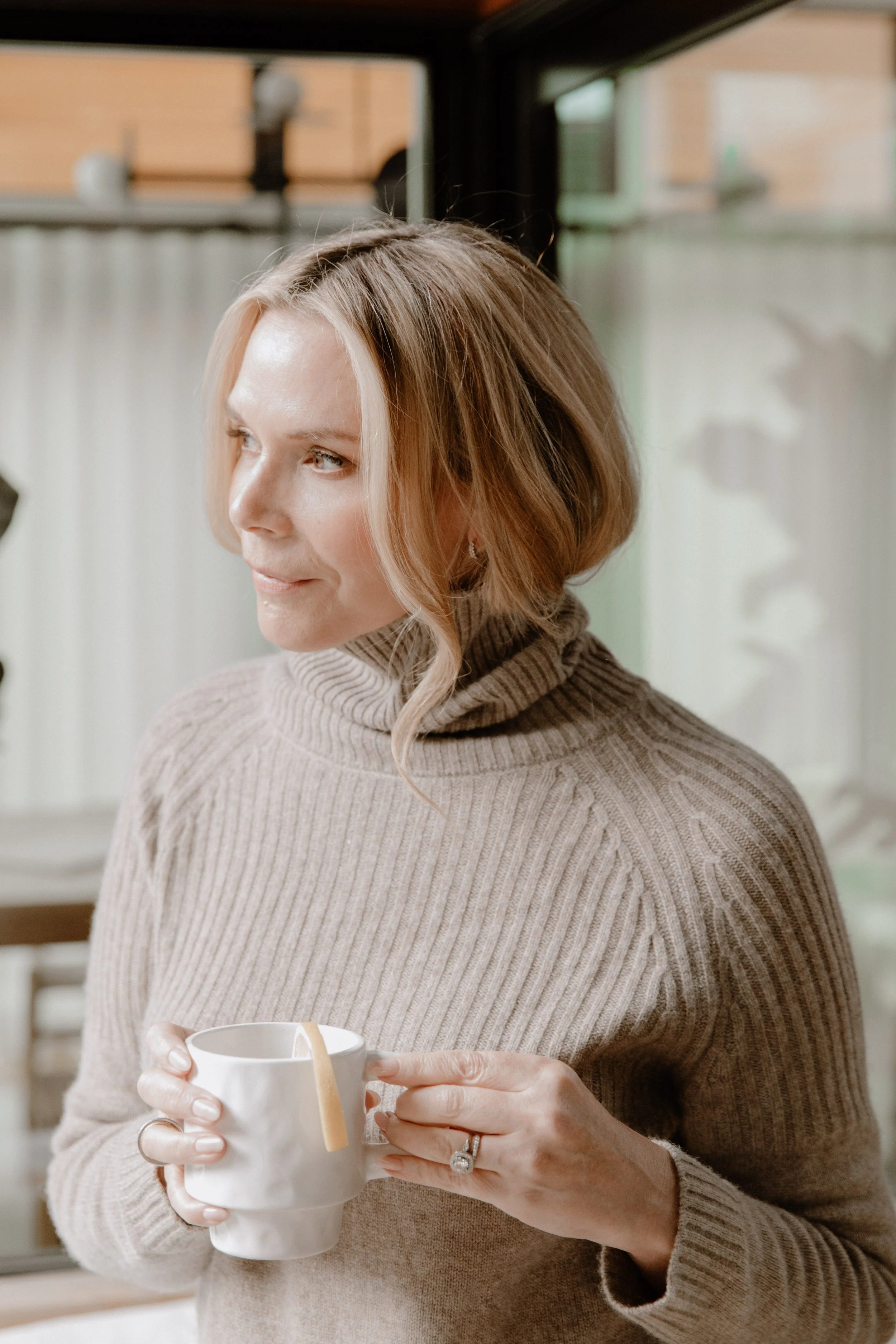
Why Test Results Can Look Normal When You Still Don’t Feel Well
About seven years ago, what I had seen in other women became personal. I went through a serious health crisis that I kept mostly private. It brought me closer to losing my life than I like to admit. After decades of clinical training, I still found myself searching for answers inside the healthcare system I had worked in my whole career. What opened my eyes was not only my own experience. It was what I found in the research.
For generations, medical research was done mostly on men, and women were often left out of clinical studies or underrepresented. It wasn’t until 1993 that federal law required women to be included in NIH-funded clinical research. That means we have had only a few decades of more consistent effort to understand how women’s bodies respond differently to disease, medication, and treatment. A 2025 National Academies report found that only 7.9% of NIH research grant funding in 2023 went specifically to women’s health. There has been progress. There is still a long way to go.
The deeper I went into research that anyone can find, the more I understood why a woman can follow standard medical advice, get reassuring results, and still feel unwell. Her experience was often not read through the lens of female physiology, especially as hormones, metabolism, stress responses, and recovery change through life. That became a major turning point in my work. I started connecting the dots between biological systems and looking at how physical, mental, and emotional health affect each other, with more attention to female biology rather than health models built mainly around men.
Why I Founded HealthStyle by Dr. Kenna
Eventually I stepped away from clinical practice and founded HealthStyle by Dr. Kenna. I brought nearly three decades of experience in human performance, functional health, and holistic health into my role as a Strategic Health Advisor. My focus is helping women understand their own physiology, see the connections that shape their health, and make informed decisions about protecting and rebuilding their capacity while they support their long-term health and longevity.
Women deserve more than being told their test results look fine when they know something doesn’t feel right. They deserve to understand what supports the energy, clarity, resilience, and vitality they need to thrive.
How Low Capacity Shows Up: Sleep, Thinking, and Recovery
A change in capacity rarely shows up first as an illness or an abnormal lab result. More often it shows up in how a woman sleeps, thinks, recovers, or handles demands she once met without effort.
Conventional and alternative testing both still matter. But to understand why someone no longer feels like herself, we often have to look at how her biological systems work together. We encourage women to improve one part of their health at a time, and spend far less time asking whether those strategies fit their changing physiology. More exercise, tighter restriction, or another supplement is not always the answer. We need to understand what the body is telling us before we decide what it needs.
What Is The Capacity Code?
That is why I created The Capacity Code, a newsletter on the science behind women’s capacity. We’ll look at how physical, mental, and emotional health connect, and what shapes our ability to sustain the lives we want to live. I’ll bring emerging research into everyday experience and help you see relationships that get missed when health is looked at one piece at a time.
Before the next issue, ask yourself this: Are you measuring how much you can accomplish, or are you paying attention to what it costs you? Think about the energy you spend, the mental and emotional load you carry, and whether you are really recovering or just finding new ways to push through.
You’ve spent years building a life that asks a great deal of you. I believe you deserve to feel as good as the life you’ve worked so hard to create. Your health is about more than how your body functions. It is also your energy, your clarity, your emotional well-being, and the spark that makes you feel fully alive. That’s your true vitality sweet spot.
There is more available to you than you’ve been led to believe. To read the next issue of The Capacity Code, subscribe at thecapacitycode.net.
In it with you,

Founder & CEO HealthStyle by Dr. Kenna
Disclaimer
The Capacity Code is written for educational and informational purposes only. It reflects the experience, observation, and perspective of Dr. Kenna Ducey-Clark, DC, and is not intended to diagnose, treat, cure, or prevent any condition, or to replace care from your own licensed healthcare provider. Reading this newsletter, subscribing, or participating in the comments does not create a doctor–patient or advisor–client relationship. Always consult your physician before starting, stopping, or changing any medication, nutritional supplementation, testing, or health practice. The comment section is an open forum; views shared by readers are their own, and are not reviewed, endorsed, or verified by me or by Healthstyle by Dr. Kenna.