
Can Stress Make You Age Faster? What Every Woman Should Know
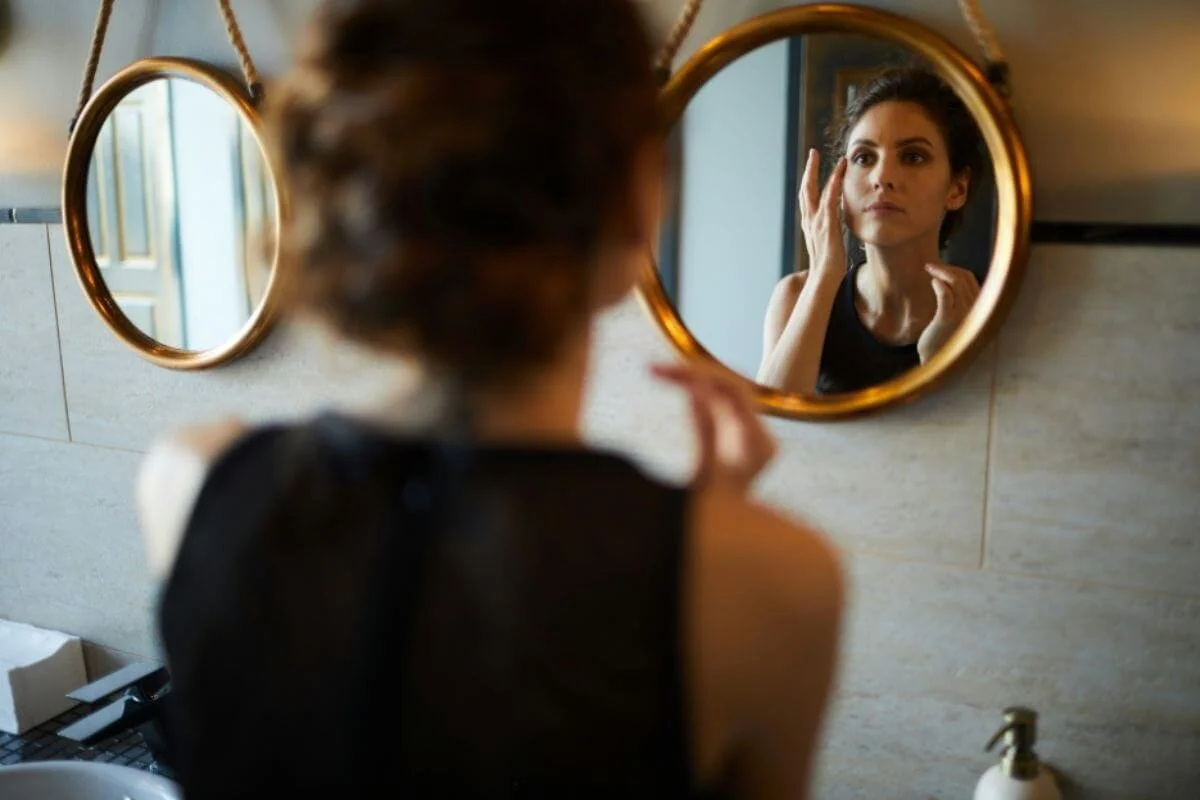
Have you ever looked in the mirror and had the strange feeling that you aged overnight? Not in a dramatic way, but in subtle shifts that make you pause. Your skin looks a little different. Your energy feels less steady. Your focus takes more effort than it used to. Many driven women reach this moment, doing so much right, yet feeling slightly out of rhythm.
This is often when the question begins to surface. Can stress make you age faster? The honest answer is yes, stress can influence aging. But it helps to understand what that really means, because the type of aging we are talking about is not simply the number of birthdays you have celebrated.
In health and research, there is a distinction between chronological age and biological age. Biological age reflects how the body is functioning beneath the surface. Chronic stress can increase inflammation, disrupt hormones, and reduce repair capacity. Over time, these shifts influence how the body ages, shaping resilience, energy, and how aging shows up internally and externally.
Key Takeaways
Stress can influence biological age, not just how old you are chronologically. Chronic stress affects inflammation, hormones, immune function, and cellular repair, which can impact how the body ages over time.
Biological age reflects how your body is functioning beneath the surface. Two women can be the same age but experience very different energy levels, resilience, and vitality depending on lifestyle and stress patterns.
Chronic stress without recovery can accelerate aging signals. When the stress response stays activated for long periods, the body has less opportunity to repair and restore itself.
Your skin, energy, sleep, and recovery patterns often show early signs. Dull skin, slower healing, persistent fatigue, brain fog, or disrupted sleep can reflect underlying stress load.
Recovery is the key to healthier aging. Consistent sleep, nervous system regulation, supportive movement, meaningful connection, and intentional boundaries help the body return to balance and support long term resilience.
What Is Biological Age?
Most of us were taught to think about age in very simple terms. You count birthdays and the number goes up each year. That number is your chronological age. It tells you how long you have been alive, but it does not tell you how well your body is actually functioning.
Biological age is a very different story. It reflects the pace of biological aging happening inside the body, a core concept in biohacking for longevity in functional medicine lens. Instead of measuring time, it reflects how your cells, tissues, and systems are performing. This is why two women who are the same chronological age can feel completely different in their bodies. One may feel vibrant, sharp, and resilient. The other may feel depleted, inflamed, or older than she should. The difference often comes down to biological age.
When we talk about ageless living, this is the concept we are really talking about. It is not about rejecting aging or pretending time does not move forward. It is about supporting the biology of the body so that biological aging happens more slowly and with greater resilience. An ageless longevity path means caring for the systems that keep the body adaptable, strong, and capable as the years pass.
Research in biological aging has grown rapidly in recent years because scientists now understand that aging is influenced by measurable biological processes. Researchers often look at biomarkers such as inflammation signals, metabolic markers, and changes in gene expression that affect cellular repair and resilience. These indicators give insight into biological age and how quickly biological aging may be progressing within the body.
What becomes clear in the research is that biological aging is shaped by the patterns of everyday life. Sleep, nutrition, physical activity, environmental exposures, and stress all influence the body’s biology over time. Chronic stress, in particular, can influence biological systems that regulate inflammation, hormones, and immune function. When those systems remain under pressure for long periods of time, biological aging can begin to accelerate.
Understanding biological age gives women a powerful new lens through which to view their health. Instead of accepting fatigue, brain fog, or loss of vitality as an inevitable part of aging, it opens the door to a different perspective. Many of the patterns that influence biological aging are modifiable. When you support your biology intentionally, the body has an incredible ability to move toward a more ageless and resilient state of health.
How Stress Affects Aging

I work with many high-performing women, and many of them do not think of themselves as “stressed.” They think of themselves as capable, productive, and used to carrying a lot. They are building companies, leading teams, raising families, traveling, and managing complex lives. Being in motion becomes normal. The body, however, experiences that constant pressure in very real biological ways.
Stress is not automatically harmful. In fact, the stress response is one of the body’s most protective biological systems. When stress appears, the brain signals the release of stress hormones that temporarily shift energy, metabolism, and immune system activity so the body can handle the challenge. For short periods of time, this response is adaptive and even helpful. The challenge begins when stress stops being occasional and becomes constant.
When stress becomes chronic stress, the body does not fully return to recovery mode, affecting key cellular processes involved in repair and regeneration such as what is peptides and other signaling pathways. The stress response stays partially switched on. Over time, this creates ongoing cellular stress and shifts the biological systems that influence biological aging. Inflammation may rise, the immune system can become strained, and the body may allocate less energy toward repair and regeneration.
Research shows that these changes are measurable. Scientists studying biological aging often look at markers such as telomeres, which help protect our chromosomes. Chronic stress has been linked to faster telomere shortening, one of the biological patterns associated with accelerated aging. Research also shows epigenetic shifts that influence how genes regulating biological aging are expressed.
You can often feel these patterns before you ever see them in research data.
Many women recognize the experience of moving through months of pressure and realizing their energy no longer fully resets. Recovery from workouts feels slower. Illness lingers longer than expected. Fatigue shows up even when sleep appears adequate. These are everyday signals that the body is carrying sustained biological stress.
The encouraging reality is that biological aging is not fixed, which is a key part of protecting longevity for women over time. When chronic stress patterns change, and the body is supported with recovery, nourishment, and intentional health habits, biological age can begin to move in a healthier direction.
How Stress Affects Your Skin

If you want a surprisingly honest reflection of how stress is affecting your body, look at your skin. Many women notice this instinctively. They go through a demanding stretch of life, and suddenly something looks different in the mirror. The skin appears dull or flat. Fine lines look more noticeable than they did a few weeks ago. A breakout takes longer to heal than expected. It can feel as though aging has suddenly sped up.
This happens because skin is closely connected to the body’s overall biological health. When stress rises, the body produces hormones that influence inflammation, cellular stress, and immune system activity. Those shifts affect how skin repairs itself and how well collagen and elasticity are maintained.
Chronic stress can slow some of the natural repair processes that keep skin resilient. Inflammation and oxidative cellular stress can influence collagen production, which contributes to the visible signs many women associate with aging. Skin may look more tired, healing may take longer, and the overall tone and texture can shift.
What is important to understand is that these changes are not just cosmetic. They reflect the same biological aging processes occurring throughout the body. Skin often becomes the first place where those internal shifts become visible.
Signs Stress May Be Affecting Your Biological Age
One of the things I often remind women is that the body usually talks to you in whispers long before it ever raises its voice. When stress begins influencing biological aging, the signals rarely appear as something dramatic or alarming at first. Instead, they tend to show up as subtle patterns that are easy to dismiss, especially for capable women who are used to carrying a lot and pushing forward through demanding seasons of life.
One of the most common signals is persistent fatigue that does not fully resolve, even when you believe you are sleeping enough. Many women describe it as feeling slightly depleted all the time, as though their energy reserve never quite refills. Chronic stress can influence how the body produces and distributes energy, which means the body may remain in a state of low-level depletion even when someone is otherwise committed to their health.
Another pattern many women recognize is slower recovery. Viruses or infections may linger longer than they once did, or it may take more time to feel like yourself again after travel, a demanding work stretch, or a period of emotional strain. Because stress can influence the immune system, prolonged stress sometimes shows up as reduced resilience or a sense that the body simply takes longer to bounce back.
Sleep can also begin to change. Some women notice difficulty falling asleep even when they are tired, while others wake during the night with a mind that refuses to fully settle. Brain fog, reduced concentration, body aches, or skin that suddenly looks duller than usual are also common experiences. None of these patterns diagnose accelerated aging, but they can be early signals that chronic stress is beginning to influence the body’s health and recovery capacity.
Not sure what your body needs right now? Take the free quiz to uncover your current health patterns and get personalized next steps.
Take the Free Health Esteem QuizEveryday Stress Patterns That Can Accelerate Aging
Accelerated aging rarely develops because of a single stressful event. In most cases, it develops gradually through repeated patterns of stress that accumulate over time without enough opportunity for the body to fully recover. This is particularly common among high-performing women whose lives naturally involve responsibility, leadership, and ongoing decision-making.
Many women reading this are operating in environments where pressure is simply part of the landscape. Leadership roles, entrepreneurship, and demanding careers often require constant problem-solving, strategic thinking, and responsibility for outcomes that affect many people. Even when the work is deeply meaningful, the nervous system may rarely receive a clear signal that it can fully power down.
Sleep patterns can quietly amplify this dynamic. Inconsistent sleep schedules, late-night work, travel across time zones, or long stretches of mental engagement can interfere with the biological repair processes that support healthy aging. Over time, the body may begin to accumulate the effects of stress because it is never fully completing its recovery cycle.
Emotional strain can also play a powerful role. Many high-achieving women carry emotional responsibility for others through caregiving, family roles, leadership, or supporting people who rely on them. This type of pressure is rarely visible from the outside, yet it can create a persistent layer of chronic stress that influences biological aging.
Mental overload is another pattern I see frequently. Constant decision making, information processing, and the pressure to keep everything moving forward can leave the brain in a near-continuous state of stimulation. None of these patterns means someone is doing anything wrong. They simply reflect the reality of lives that are full, meaningful, and demanding. Over time, however, repeated stress without enough recovery can contribute to accelerated aging patterns within the body.
Why Recovery Matters More Than Stress Alone
When people hear that stress can influence aging, it is easy to assume the solution is to eliminate stress entirely. In reality, stress itself is not the problem. The human body is designed to handle periods of pressure, and short bursts of stress can strengthen resilience when they are followed by adequate recovery.
When a stressful situation appears, the body releases stress hormones that mobilize energy, sharpen attention, and temporarily shift immune system activity so the body can respond effectively. This biological response is protective and adaptive. Once the challenge passes, the body is meant to move back into a recovery state where repair and restoration take place.
This recovery phase is where many of the processes that influence biological aging occur. During periods of rest and restoration, inflammation settles, the immune system recalibrates, and the body begins repairing cellular damage that accumulated during periods of stress. Research shows that many aspects of cellular aging are strongly influenced by whether the body has enough time in this restorative state.
When recovery is limited, the stress response lingers longer than it should. Biological systems remain partially activated, which can increase cellular stress and place additional strain on the immune system. Over time, this imbalance between stress and recovery can influence biological aging in meaningful ways.
For women living full and ambitious lives, the goal is not to remove stress entirely or ignore how the body naturally attempts to reset itself afterward. The goal is to create consistent opportunities for recovery, so the body has space to reset. When sleep, emotional regulation, and restorative practices become part of daily life, the body becomes far more capable of maintaining healthy biological aging even in demanding seasons.
Many women recognize this pattern once they begin paying attention. During calmer seasons, their skin looks vibrant and responsive. During periods of chronic stress, the same skin can suddenly look older than it did just months before.
The mirror often gives us a quiet signal about what the body is experiencing beneath the surface.
How to Slow Stress Related Aging

Once you understand how stress interacts with the biology of aging, the conversation becomes much more empowering. Stress itself is not the enemy. The body is built to handle pressure in short, meaningful bursts. The real issue is what happens when that pressure never quite lets up. When the body moves from one demand to the next without enough recovery, the systems that regulate inflammation, hormones, immune resilience, and cellular repair begin to carry the load. Over time, that imbalance is what can quietly influence biological aging.
The encouraging part is that the body is remarkably responsive when it is supported well. Some of the most powerful shifts come from very foundational habits that help regulate the stress response and allow repair to occur. Sleep is one of the most important of these. During deep, consistent sleep, the body performs a tremendous amount of restoration. Hormones rebalance, the immune system recalibrates, and cellular repair processes that influence aging begin to catch up. When sleep becomes inconsistent or shortened for long periods of time, those restorative processes simply cannot keep pace with the demands being placed on the body.
Movement also plays an important role, though not always in the way many women expect. High-performing women often approach exercise with the same drive they bring to everything else, by pushing harder and adding more intensity. But the body often benefits more from movement that supports circulation, nervous system regulation, and recovery. Walking, strength training, mobility work, and restorative practices such as yoga help the body process stress while supporting healthier biological aging.
Another powerful shift comes from giving the mind space to settle. Many women spend their days moving rapidly from responsibility to responsibility, rarely allowing the nervous system to fully reset. Even small moments of mental decompression throughout the day can help signal safety to the body and reduce the cellular stress that contributes to aging over time.
Relationships and meaningful connections also play an important role in long-term health. Supportive social connection helps buffer the effects of stress and regulate emotional responses in ways that protect overall well-being. At the same time, learning to set thoughtful boundaries around workload and commitments can prevent stress from quietly becoming chronic.
When sleep, supportive movement, mental recovery, and meaningful connection become consistent parts of life, the body responds in powerful ways. These habits help stabilize stress responses, support the immune system, and allow the biological processes that influence aging to function the way they were designed to. Over time, this is how women begin to support their vitality and move toward a more ageless approach to health and longevity for women.
FAQs
-
Chronological aging cannot be reversed, but biological aging is more flexible than many people realize. Research shows that biological age markers can shift when chronic stress decreases, and the body receives consistent opportunities for recovery. Improvements in sleep, stress regulation, and supportive lifestyle habits may help the body repair some of the biological changes associated with prolonged stress. Over time, these changes can influence how the body functions and how biological aging progresses.
-
Slowing biological aging is less about chasing a single solution and more about supporting the body’s natural ability to recover from stress. Healthy aging patterns are influenced by stable routines that protect overall health. Consistent sleep, regular movement, balanced nutrition, and intentional stress management all support immune system resilience and cellular repair. When these foundations are in place, the body becomes far more capable of maintaining healthy biological aging over time and supporting a more vibrant, ageless way of living.
-
Accelerated aging rarely comes from one major event. More often, it develops quietly through everyday patterns that keep stress circulating through the body without enough recovery. Poor sleep routines, constant work pressure, emotional strain, and chronic overcommitment are common examples. Many capable women also spend long stretches sitting, moving from meeting to meeting or task to task, with very little physical movement or true downtime.
None of these habits means someone is failing at their health. They simply reflect lives that are full and demanding. Over time, however, chronic stress combined with limited recovery can influence biological systems that affect aging and overall health. Recognizing these patterns is often the first step toward protecting long-term vitality.
Final Thoughts
Stress is part of a meaningful life. The goal is not to eliminate it, but to understand how it interacts with the body over time. Occasional stress does not automatically lead to accelerated aging. What tends to influence biological aging more significantly are long stretches of stress that occur without enough recovery to allow the body to recalibrate.
Many driven women live with sustained pressure for years. They lead, build, care for others, and keep many things moving forward. In the process, stress can quietly shape patterns of sleep, energy, hormones, and overall health without being fully recognized. Over time, these patterns influence the nervous system, which is why understanding how aging affects the nervous system is so important for long term resilience and vitality.
When you begin to understand how stress influences biological aging, it becomes easier to approach health with greater intention. Supporting recovery, protecting sleep, and paying attention to the signals your body sends are powerful ways to support healthy aging over time.
For women who want a deeper understanding of how stress, energy, hormones, and aging connect within their own bodies, working with a functional health coach can help bring clarity. Personalized guidance can uncover patterns that are easy to miss and help create practical strategies that support long-term vitality and a more ageless approach to health.
If chronic stress is affecting your energy, sleep, or how your body feels as you age, a personalized approach can help uncover what your body truly needs to recover and thrive.
Explore Personalized Health CoachingResearch & Sources
1. Epel, E. S., & Prather, A. A. (2018). Stress, sleep, and immune system regulation in aging. Annual Review of Gerontology and Geriatrics, 38(1), 257–278. https://doi.org/10.1891/0198-8794.38.257
2. López-Otín, C., Blasco, M. A., Partridge, L., Serrano, M., & Kroemer, G. (2023). Hallmarks of aging: An expanding universe.Cell, 186(2), 243–278. https://doi.org/10.1016/j.cell.2022.11.001
3. Epel, E. S., Blackburn, E. H., Lin, J., et al. (2004). Accelerated telomere shortening in response to life stress. Proceedings of the National Academy of Sciences, 101(49), 17312–17315. https://doi.org/10.1073/pnas.0407162101
4. Belsky, D. W., Caspi, A., Arseneault, L., et al. (2015). Quantification of biological aging in young adults. Proceedings of the National Academy of Sciences, 112(30), E4104–E4110.https://doi.org/10.1073/pnas.1506264112
5. Chen, Y., & Lyga, J. (2014). Brain–skin connection: Stress, inflammation and skin aging. Inflammation & Allergy – Drug Targets, 13(3), 177–190. https://europepmc.org/articles/PMC4082169
6. National Institute on Aging. (2023). Stress-induced increases in biological age are reversible. https://www.nia.nih.gov/news/stress-induced-increases-biological-age-are-reversible
Disclaimer
This content is based on over two decades of clinical experience and is provided for educational and informational purposes only. The strategies and insights shared here reflect a functional health approach rooted in evidence and personalization.
This article is not intended to diagnose or treat any condition. Always consult your physician or trusted healthcare provider before beginning any new health protocol. At HealthStyle by Dr. Kenna, we don’t diagnose—we decode.





Sudden crashing fatigue in women can feel confusing and overwhelming. Learn why energy drops suddenly, what patterns may be involved, and how to better understand what your body is signaling.